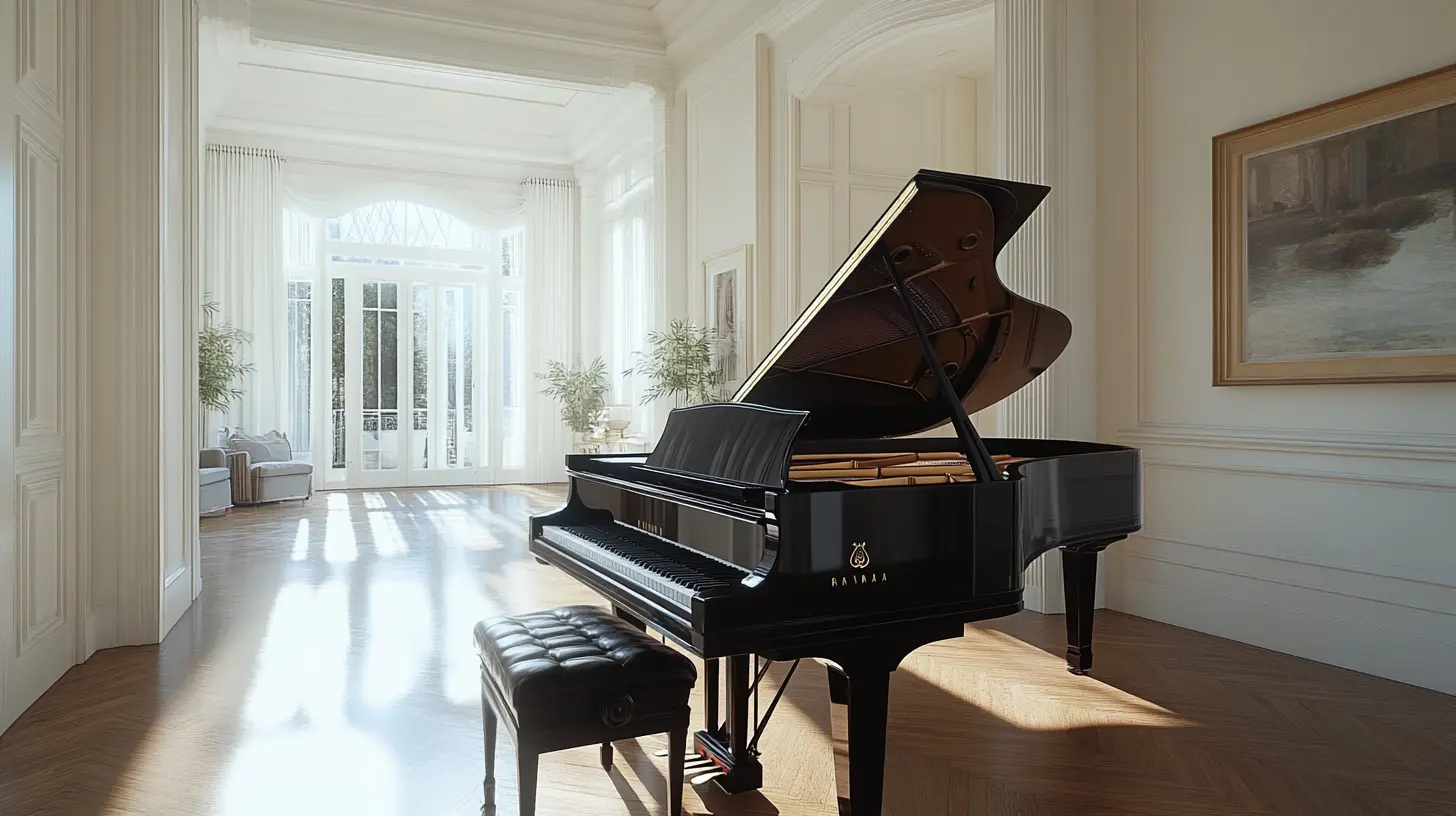
Selling a piano can be a lucrative endeavor, but it requires strategic preparation. First, gather essential piano details, including the brand, model, serial number, and maintenance history. Take high-quality photos to showcase the piano’s condition and unique features. Prepare the piano by cleaning, repairing, and tuning it. Determine the fair value by researching recent sales and consulting experts. Choose the right selling platform, such as online marketplaces or dealer consignment. Negotiate effectively and finalize the sale with a detailed bill of sale. For those seeking a more thorough guide, the provided research offers additional insights to maximize your piano’s resale value.
Gather Essential Piano Details
Gathering vital piano details is the initial step in effectively marketing and selling one’s musical instrument. Start by meticulously collecting the brand, model, and serial number of your piano, as these details are important for verification and attracting potential buyers.
Additionally, document the maintenance history, including the last tuning date and any repairs or upgrades, to instill confidence in buyers regarding the condition of your piano.
Complement this information with high-quality photographs showcasing your piano from various angles, including close-ups of the serial number and any unique features. These visuals will enhance the appeal of your listing and provide buyers with an extensive understanding of the instrument.
Finally, assess and note the dimensions and weight of the piano, as this data is necessary for logistics and potential moving arrangements for interested parties.
Take High-Quality Piano Photos
High-quality photographs are essential in effectively marketing and selling a piano. Capture a range of images, including overall views, close-ups of the keys, pedals, and unique features, as well as the serial number for authenticity verification. Make certain that the lighting is adequate and natural to avoid shadows and reflections, which can obscure details in the piano’s finish and condition.
To provide potential buyers with a thorough view of the instrument’s condition, consider the following:
- Use a neutral background to keep the focus on the piano, eliminating distractions that may detract from its appearance.
- Take photos from multiple angles (front, sides, and back) to showcase the piano’s features and condition.
- Include images of any maintenance records or repairs to enhance buyer confidence and showcase the piano’s history.
- Highlight the piano’s unique features and condition to justify its asking price and demonstrate its true value.
Prepare the Piano for Selling
Preparing the piano for sale involves gathering essential information about the instrument, including its brand, model, serial number, and maintenance history, to provide potential buyers with confidence in their purchase.
Thorough cleaning of the piano, both inside and out, can greatly improve its aesthetic appeal and justify a higher asking price. Any mechanical issues should be addressed by repairing and tuning the piano to guarantee it plays well, as this can enhance its marketability.
To attract more interest from buyers, take high-quality, well-lit photos from various angles, including close-ups of any unique features or imperfections.
Collaborate with piano technicians to obtain detailed descriptions of the piano’s condition and history, which can help establish trust and transparency during the sale.
Determine the Piano’s Fair Value
When selling a piano, it is essential to research recent sales of similar models on platforms like eBay and Reverb.com to understand the local market pricing and trends.
Additionally, consulting with local piano dealers or tuners can provide valuable insights into the piano’s condition and fair market value.
Moreover, considering the piano’s brand reputation, maintenance history, and age can help determine its historical worth and ideal selling price.
Research Comparable Sales
To establish a fair market value for the piano, it is essential to research comparable sales data from online platforms and local listings, taking into account factors like brand, model, age, and condition. By analyzing recent sales on sites like Craigslist, eBay, and Reverb.com, you can gather pricing information on similar pianos and understand the current market trends.
When researching comparable sales, consider the following key factors:
- Regional market trends – Prices can vary greatly based on location and demand, so it’s vital to focus on local listings to understand the regional market.
- Serial number details – The piano’s age and specific model, which can be determined through the serial number, can greatly impact its market value.
- Condition and maintenance – The piano’s overall condition, including any recent repairs or maintenance, can influence its perceived value and desirability to potential buyers.
- Negotiation strategy – Start your pricing slightly higher to allow room for negotiation, as recent sold listings can provide a good benchmark for your asking price.
Consider Appraisal Options
Obtaining a professional appraisal is a crucial step in determining the fair market value of the piano. Consulting with local piano dealers or certified technicians can provide a more accurate estimate based on the instrument’s condition and brand reputation. This assessment can be especially helpful for owners who are unsure of their piano’s value or are looking to sell it quickly for cash.
When considering appraisal options, it’s important to take into account the piano’s age, maintenance history, and overall condition. Well-maintained instruments from reputable brands often retain a higher resale value, while poorly cared-for or outdated models may require a lower asking price.
Documenting the appraisal process and findings can also enhance buyer confidence and streamline negotiations during the selling process.
Choose the Right Selling Platform
When selling a piano, it is essential to choose the right selling platform to maximize the visibility and likelihood of a swift sale.
Online marketplaces like Craigslist, eBay, and Facebook Marketplace can provide a broader audience, while piano-specific websites and local piano dealers offering consignment options may cater more directly to potential buyers.
Additionally, leveraging social media and exploring auction platforms can also be effective strategies for selling a piano. Additionally, online communities and marketplaces dedicated to musical instruments can help you reach a more targeted audience. In a similar way, if you’re considering selling your gun for profit, various specialized websites and forums cater specifically to firearms enthusiasts. Just as with pianos, taking the time to research the best platforms and properly valuing your items can result in better returns.
Online Marketplaces for Reach
Leveraging popular online marketplaces can considerably expand the reach and visibility of a piano for sale, ultimately driving increased interest from potential buyers.
Sites like Craigslist, eBay, Facebook Marketplace, and Reverb.com offer vast audiences and robust search capabilities, enabling sellers to connect with a broader pool of prospective buyers.
To maximize the effectiveness of online listings, consider the following strategies:
- Target piano-specific platforms: Utilize sites like PianoWorld, Piano Buyer, and PianoMart, which cater to a more specialized audience interested in pianos.
- Maintain visibility: Regularly repost and update your listings to guarantee your piano remains at the forefront of potential buyers’ searches.
- Adhere to platform guidelines: Familiarize yourself with each marketplace’s selling rules and optimize your listings accordingly.
- Engage with interested buyers: Promptly respond to inquiries and offer flexible viewing times to provide a seamless selling experience.
Dealer Consignment Options
Consigning a piano with a reputable dealer can provide a streamlined selling experience, as they handle the logistics, including transportation, tuning, and warranty offerings.
When considering dealer consignment options, it is vital to select a local piano store with a strong reputation. Dealers typically prioritize high-quality, younger pianos, often less than 20 years old, so make certain your instrument meets their criteria before approaching them.
While consignment can yield higher prices compared to selling outright, be aware that dealers often charge a commission fee, ranging from 10% to 30% of the sale price. This fee covers the dealer’s expenses and profit margin.
Older pianos or digital pianos may be less desirable, so it’s important to research different dealers to find the best fit for your used piano.
Conducting due diligence by comparing quotes and reviews from multiple reputable dealers will help you make an informed decision and maximize the return on your piano sale.
Local Direct Sales
In addition to dealer consignment options, selling a piano through local direct sales can provide a viable alternative for piano owners seeking to maximize their return. By leveraging popular online marketplaces like Craigslist, Facebook Marketplace, and Offer Up, sellers can tap into a broader reach and potentially secure quicker sales.
Additionally, piano-specific platforms such as PianoMart and PianoWorld offer targeted exposure to interested buyers.
To further enhance your selling prospects, consider the following strategies:
- Engage with local music schools and communities to connect with potential buyers who may be actively seeking pianos.
- Guarantee you follow each platform’s specific selling guidelines to maximize visibility and compliance.
- Repost your listing regularly to maintain interest and visibility, especially if there are seasonal trends that influence demand.
- Leverage social media to spread the word and reach a wider audience in your local market.
Craft a Compelling Piano Listing
A compelling piano listing begins with a clear and detailed description of the instrument, including its brand, model, serial number, and age. This vital information not only establishes the piano’s authenticity but also allows potential buyers to assess its value accurately. Visually attracting buyers is equally important, so be certain to include high-quality, well-lit photos from multiple angles, highlighting any unique features or imperfections.
| Listing Element | Description |
|---|---|
| Brand | Steinway & Sons |
| Model | Model B |
| Serial Number | 123456 |
| Age | 50 years |
| Condition | Recently tuned, minor cosmetic blemishes |
| Unique Features | Includes player system for automated playback |
| Price | $20,000 |
Transparency about the piano’s condition, including any recent maintenance or repair history, can further enhance buyer confidence and interest. When setting the price, research the current market and consider similar sales to ascertain your piano is competitively priced, reflecting both its quality and the prevailing demand trends.
Negotiate and Finalize the Sale
When selling a piano, it is important to employ effective negotiation strategies to guarantee a fair and beneficial agreement for both parties.
Clearly conveying the piano’s condition and any relevant history can help justify the asking price and build trust with potential buyers.
To finalize the transaction, thorough documentation in the form of a bill of sale is essential to protect the interests of both the seller and the buyer.
Manage Negotiation Strategies
Effective negotiation strategies are essential when selling a piano, as they enable the seller to secure a fair price while addressing the buyer’s concerns.
By starting with a firm but flexible asking price, you create room for negotiation while ensuring you receive a minimum acceptable amount. Justifying the price through detailed information about the piano’s condition, maintenance history, and any recent repairs can instill buyer confidence and reinforce the value of your offer.
During the negotiation process, actively listening to the buyer’s concerns or objections and addressing them can help bridge the gap between your price and their offer.
Additionally, offering incentives such as free delivery or including accessories can sweeten the deal and make your offer more appealing to the buyer.
Finalize Paperwork Diligently
Meticulous paperwork finalization is essential when negotiating and finalizing the sale of a piano, as it safeguards the interests of both the seller and the buyer. A thorough bill of sale should include critical details such as the date, seller and buyer information, make/model, sale price, and serial number. This documentation protects both parties by establishing a clear record of the transaction.
Transparency is key throughout the process. Disclosing any known repairs or issues with the piano in the final documentation builds trust and mitigates the potential for disputes after the sale. Clearly outlining the terms of the sale, including any return policies or warranties, sets appropriate expectations and reduces the likelihood of misunderstandings.
Maintaining organized records of all communications and agreements related to the sale, including offers and counteroffers, provides valuable references and safeguards your position.
Consult Piano Dealers for Offers
Consulting local piano dealers can provide sellers with a quick and convenient avenue to obtain cash offers for their instruments, often bypassing the lengthier process of private sales. Dealers typically assess pianos based on their condition, brand reputation, and market demand, which can help sellers understand the potential value of their instrument. While the selling price may be lower than a private sale, this approach eliminates the hassle of repairs, listings, and negotiations.
Consider the following when consulting piano dealers:
- Compare offers from multiple dealers to guarantee you receive a fair price for your piano.
- Understand that dealers typically base their offers on the piano’s current condition, not its original value.
- Be prepared to provide detailed information about your piano’s make, model, and any modifications or repairs.
- Discuss the dealer’s transportation and setup services, which can add to the overall convenience of the transaction.
Consider Selling at Piano Auctions
In addition to consulting local piano dealers, sellers may consider the option of selling their instruments through specialized piano auctions, which can provide access to a broader market and potentially higher sale prices.
Piano auctions can attract serious buyers who are willing to bid competitively, potentially increasing the final sale price compared to private sales. Many auction houses specialize in musical instruments, ensuring a targeted audience that understands the value of pianos, which can lead to quicker sales.
However, it’s important to factor in the auction commission fees, which typically range from 5% to 15% of the final sale price, when setting your pricing strategy.
By researching past auction results for similar pianos, sellers can set realistic expectations regarding potential sale prices and assess the demand in the market.
Selling through a piano auction can be an effective way to maximize the value of your instrument and reach a wider pool of interested buyers.
Dispose of the Piano Responsibly
When the time comes to part with a piano, it is crucial to contemplate responsible disposal options that minimize environmental impact and guarantee the instrument finds a new purpose.
Consider donating the piano to local schools, churches, or community centers, which may appreciate the instrument and ensure it is used responsibly by others. Check with local charities or organizations that specialize in music education, as they often accept piano donations and may offer pickup services.
For pianos beyond repair, explore recycling options that specialize in dismantling and repurposing materials in an environmentally friendly way. If the piano is functional but unwanted, list it for free on platforms like Freecycle or Craigslist to find someone willing to give it a new home.
To guarantee compliance with local regulations, research guidelines regarding piano disposal, as some areas have specific practices to safeguard responsible and safe disposal.
Frequently Asked Questions
What Is the Easiest Way to Sell a Piano?
The easiest way to sell a piano is through online marketplaces such as Craigslist, eBay, or Facebook Marketplace, allowing for broader visibility and quicker sales. Consigning to a local piano dealer can also simplify the process, though it may come with a commission fee.
Why Are Pianos Hard to Sell?
Pianos are difficult to sell due to their bulky size, weight, and the saturated market for used models. Additionally, potential buyers may lack knowledge about piano value and condition, further hindering sales. Seasonal fluctuations and high costs also contribute to the challenges of piano resale.
Can You Make Money Reselling Pianos?
Yes, it is possible to make money reselling pianos, especially high-quality brands like Steinway and Yamaha. Resale values can range considerably, from hundreds to tens of thousands of pounds, depending on the piano’s condition, age, and market demand.
Should You Tune a Piano Before Selling It?
Tuning a piano before selling is generally recommended, as a well-tuned instrument is more appealing to buyers and can lead to a higher sale price. The cost of tuning is often justified by the potential increase in value and faster sale time.